


Listen to the article
Amazon Shutters Fresh and Go Stores, Pivots Grocery Strategy
Amazon announced Tuesday it will close all 57 Amazon Fresh and 15 Amazon Go locations nationwide as the e-commerce giant recalibrates its brick-and-mortar grocery strategy. The Seattle-based company plans to redirect its focus toward grocery delivery services, expanding Whole Foods Market, and developing a new “supersized” store concept.
The closures mark a significant shift in Amazon’s physical retail approach, with the company acknowledging in a blog post that despite “encouraging signals” from its branded grocery stores, it hasn’t yet created “a truly distinctive customer experience with the right economic model needed for large-scale expansion.”
Stores will cease operations on February 1, except in California, where locations will remain open longer to comply with state regulatory requirements.
The move comes amid mixed results in Amazon’s multi-pronged attempt to capture market share in the highly competitive grocery sector. Since acquiring Whole Foods Market in 2017 for $13.7 billion, Amazon has seen that division grow substantially, with sales increasing more than 40% and its footprint expanding to over 550 locations nationwide.
Building on this success, Amazon now plans to open more than 100 new Whole Foods stores over the next several years, signaling continued confidence in the premium grocery chain’s appeal to health-conscious consumers.
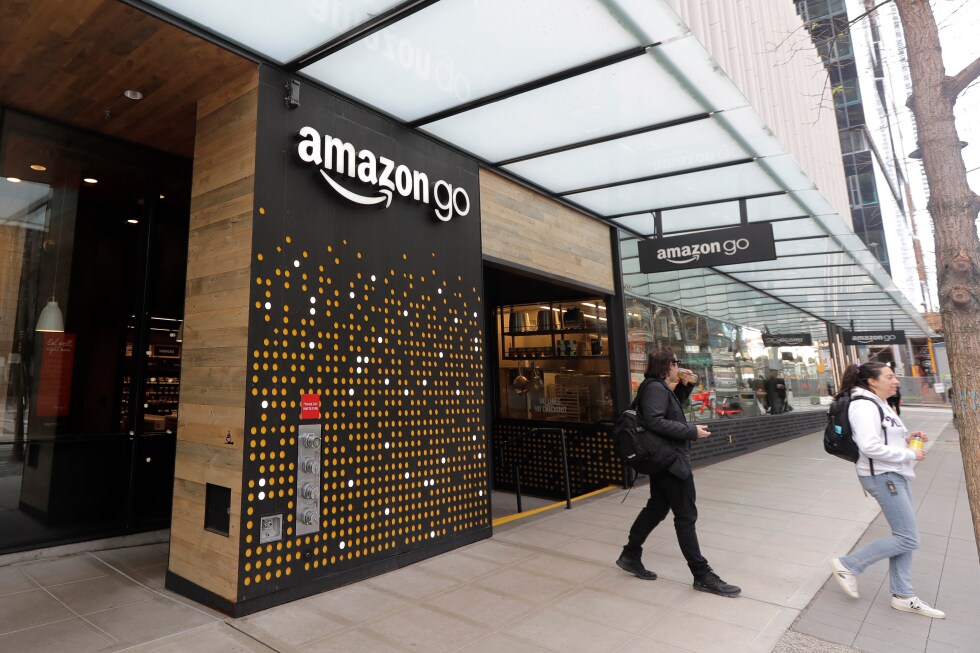
The closure of Amazon’s experimental grocery formats reflects broader challenges facing retailers as consumer shopping habits continue to evolve. The company launched its first Amazon Go location in Seattle in 2018, introducing the novel “just walk out” cashierless technology that allowed shoppers to grab items and leave without traditional checkout. The Fresh concept followed in 2020, featuring a mix of national brands, produce, and prepared foods.
Despite the store closures, Amazon emphasized that its grocery delivery services will continue expanding. The company currently delivers groceries to 5,000 U.S. cities and towns, with many markets offering same-day delivery for fresh produce and perishables. Based on “strong customer feedback,” Amazon plans to extend same-day grocery delivery to additional markets throughout the year.
Industry analysts note that the move aligns with growing consumer preference for online grocery shopping, accelerated by the pandemic and now firmly established as a convenience many shoppers are unwilling to relinquish. The U.S. online grocery market has grown substantially in recent years, with estimates suggesting it could exceed $150 billion by 2025.
While shuttering its current store formats, Amazon made clear it isn’t abandoning physical retail experimentation entirely. The company unveiled plans to develop a “new supercenter” concept that will offer fresh groceries, household essentials, and general merchandise under one roof—potentially positioning Amazon to compete more directly with retail giants like Walmart and Target.
Additionally, Amazon is testing an “Amazon Grocery” format alongside Whole Foods Market in Chicago and Plymouth Meeting, Pennsylvania, allowing customers to purchase both Whole Foods products and Amazon household essentials in a single location.
The company also highlighted how its grocery experiments have yielded valuable innovations, including the “just walk out” technology, which now operates in more than 360 third-party locations across five countries. This technology has expanded beyond retail into Amazon’s own operations, with over 40 North American fulfillment centers implementing the system in employee breakrooms.
For consumers accustomed to shopping at Amazon Fresh or Go locations, the company emphasized they can still access grocery delivery services through Amazon Fresh online in available markets.
The strategic pivot underscores Amazon’s continued evolution in the grocery space as it seeks the optimal balance between physical retail presence and digital convenience in one of retail’s most essential and competitive categories.
Fact Checker
Verify the accuracy of this article using The Disinformation Commission analysis and real-time sources.

12 Comments
Interesting move by Amazon to refocus on Whole Foods and grocery delivery. The Amazon Go and Fresh concepts haven’t gained as much traction as they’d hoped. Seems they want to double down on their strengths in the grocery space.
It makes sense to focus on what’s working best for them. The delivery and Whole Foods expansion seem like the higher-potential areas.
The closure of Amazon Go and Fresh stores is a bit surprising, but it signals they’re willing to make tough decisions to optimize their grocery strategy. Curious to see what the new “supersized” store concept will entail.
The supersized store could be an interesting play, perhaps blending elements of Whole Foods and their delivery capabilities. It’ll be worth watching how they differentiate it.
It’s interesting to see Amazon scale back their physical grocery store footprint. The shift to emphasize Whole Foods and delivery is probably the right call given the challenges they’ve faced with Amazon Go and Fresh.
Agreed. Doubling down on their strengths in online grocery delivery and the Whole Foods brand makes strategic sense, even if it means closing some of their experimental formats.
This is a significant pivot for Amazon’s physical retail ambitions. Seems like they’re acknowledging their previous grocery concepts didn’t quite crack the code. Focusing on Whole Foods and delivery makes strategic sense.
Agreed, it’s a pragmatic move to double down on their stronger grocery assets rather than continuing to invest in underperforming formats.
Amazon is being pragmatic here – closing underperforming concepts to invest in their core grocery strengths. Delivery and Whole Foods seem like the right priorities given the competitive landscape.
Agreed. Streamlining their physical retail footprint while doubling down on delivery could pay off if executed well.
Amazon is being realistic about their grocery store experiments not quite meeting expectations. Concentrating on Whole Foods and delivery is a prudent decision to leverage their strengths in the highly competitive grocery sector.
Yep, they’re taking a page from their playbook of being willing to shut down underperforming projects and refocus on their core competencies.