


Listen to the article
The holy month of Ramadan has arrived in Algeria, but for many citizens, the traditional feasts that follow each day’s fast have become a source of anxiety rather than celebration. As tables would typically be laden with rich and varied meals after sunset, many Algerians now find themselves unable to afford these festive spreads.
Despite Algeria’s considerable oil and gas wealth, the nation has witnessed a steady decline in purchasing power, pushing an increasing number of citizens below the poverty line. Food prices have soared to unprecedented levels, creating tension in marketplaces that occasionally erupts into confrontations between vendors and customers.
“In the 1970s, we didn’t earn much, but we could stock up for Ramadan and afford fresh meat, fruit, and vegetables,” Ahmed Messai, a retired railway worker, told The Associated Press while shopping at the Clauzel market in central Algiers, highlighting the stark contrast between past abundance and present scarcity.
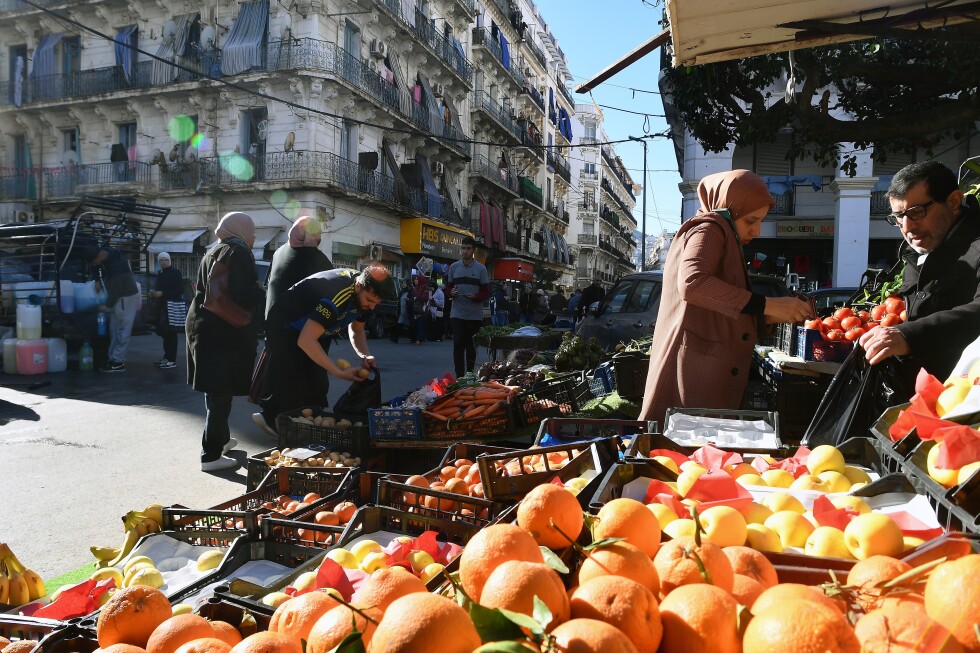
The Clauzel market, a commercial hub in the capital, displays artfully arranged fruits and vegetables in well-stocked stalls. However, as Ramadan approached, prices climbed dramatically. In one instance, an elderly woman in a traditional white haik garment confronted a vendor after onion prices jumped from 45 dinars to 100 dinars per kilo (35 cents to 77 cents) in just two days. Other staples have seen similar increases, with carrots selling for 150 dinars per kilo, peppers for 200 dinars, and green beans reaching 550 dinars.
For many shoppers like the elderly woman, baskets remain empty as they cannot afford these inflated prices. The situation reflects deeper economic challenges facing the North African nation, which has struggled to diversify its economy beyond hydrocarbon exports.
The government, wary of potential social unrest after the nationwide protests that shook the country in 2019, has attempted to address these concerns. President Abdelmadjid Tebboune recently convened a special Cabinet meeting focused on Ramadan food supplies, promising that “all conditions must be guaranteed to allow citizens to spend the holy month in perfect peace and without worry.”
The government has announced the importation of 144,000 sheep and 46,000 cattle to make meat more accessible during Ramadan. This intervention comes as locally sourced mutton from Algeria’s High Plateaus and young cattle from the Kabyle mountains—traditionally prized for their flavor and quality—have become prohibitively expensive even for middle-income professionals.
Civil society has stepped in to fill gaps left by government measures. Restaurant owners across the country have transformed their establishments into “mercy restaurants,” serving free meals to those in need. These charitable initiatives provide crucial support for struggling families during the holy month.
“It’s a good mechanism for solidarity and civic awareness,” noted academic Hocine Zairar, “but the proliferation of this type of restaurant says something serious about our society: how poverty is gaining ground in our country.”
One of the largest mercy restaurant operations in Algiers is run by the Algerian Red Crescent across different neighborhoods. In a large tent set up in a central square, rows of tables are filled with people breaking their fast together. “The atmosphere is family-friendly and we serve up to 800 meals a day,” said Nour el-Houda Remdani, one of the organizers.
While these charitable eateries once primarily served singles, travelers, and the homeless, entire families now frequent them—a telling sign of Algeria’s shifting economic landscape. Even President Tebboune has acknowledged this transformation, stating in a recent television interview that “the middle class, once the pride of Algeria, is now being decimated by the crisis.”
In response to growing economic pressures, Tebboune has promised increases in the minimum wage from 20,000 to 24,000 dinars, retirement pensions by 5 to 10 percent, and unemployment benefits for university graduates from 15,000 to 18,000 dinars. However, these measures may provide limited relief when the average salary in Algeria is approximately $330 according to the official exchange rate, or less than $235 on the informal market.
Professor Redouane Boudjema of the Institute of Journalism in Algiers suggests these measures represent the government’s attempt to ensure “social peace” and “absorb political anger stemming from restrictions on civil and trade union freedoms,” rather than addressing the underlying economic challenges facing the country.
As Ramadan continues, many Algerians will navigate this spiritual time with financial constraints that stand in stark contrast to the abundance traditionally associated with breaking the fast.
Fact Checker
Verify the accuracy of this article using The Disinformation Commission analysis and real-time sources.

8 Comments
Sad to see the rising costs making traditional Ramadan feasts unaffordable for many Algerians. The government needs to do more to address the economic challenges faced by its citizens, especially during important cultural and religious celebrations.
Agreed, the government should step up efforts to stabilize food prices and support lower-income families during Ramadan. Ensuring access to affordable, nutritious meals is crucial for maintaining cultural traditions and social cohesion.
The confrontations between vendors and customers described in the article highlight the urgent need for the Algerian government to address the economic hardships faced by its citizens. Maintaining cultural traditions and social cohesion should be a top priority, especially during important religious observances.
It’s unfortunate to see the economic challenges faced by Algerians during Ramadan, a time traditionally marked by joyful community gatherings and shared meals. The government must take swift action to stabilize food prices and support vulnerable populations.
Agreed. Ramadan is a sacred time, and the inability to afford festive meals is deeply distressing. Targeted subsidies, price controls, and social welfare programs could help ease the burden on Algerian families.
It’s concerning to hear about the growing poverty and loss of purchasing power in Algeria despite the country’s natural resource wealth. The government must find ways to equitably distribute the economic benefits and ensure basic food security for all its citizens.
That’s a good point. Increased transparency and better social safety nets could help ease the burden on struggling Algerians during this important time of year.
The contrast between past abundance and present scarcity described in the article is striking. Ramadan should be a time of celebration, not anxiety over affording basic meals. Addressing the root causes of inflation and income inequality should be a top priority for the Algerian government.