


Listen to the article
Malaysian Telecoms Regulator Drops Defamation Case Against Australian Resident in Thailand
A defamation lawsuit brought by Malaysia’s telecommunications regulator against an Australian resident in Thailand was formally withdrawn Monday following successful mediation, marking the end of a contentious case that raised significant concerns about cross-border censorship.
The Malaysian Communications and Multimedia Commission (MCMC) had previously acknowledged reaching a settlement agreement on January 12 with Murray Hunter, an Australian residing in southern Thailand. The agreement stipulated the withdrawal of both criminal proceedings in Thailand and a parallel civil case in Malaysia against Hunter, who had been sued over articles published in his Substack online newsletter.
Hunter appeared in Bangkok South Criminal Court on Monday where the defamation charge was officially withdrawn without costs or penalties. If convicted, he could have faced up to two years in prison and a fine of 200,000 baht (approximately $6,430).
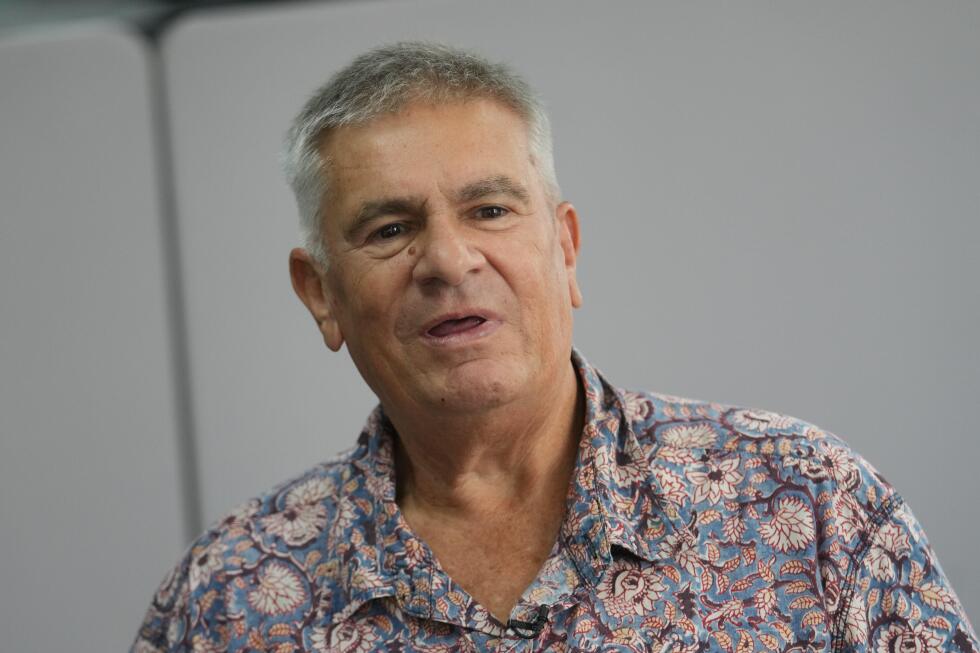
“I’ve got my passport back and I’m free to travel again in the next couple of days,” Hunter told The Associated Press following the court proceedings. While details of the mediation agreement remain largely confidential, Hunter confirmed he had issued an apology and retracted approximately ten articles. His Substack newsletter, which had been blocked in Malaysia, has now been restored for Malaysian readers.
The case began when Hunter was arrested at Bangkok’s Suvarnabhumi Airport on September 29, 2025, as he was preparing to board a flight to Hong Kong. He spent a night in jail before being released on 20,000 baht ($643) bail, with authorities confiscating his passport.
The lawsuit sparked significant international backlash from free speech advocates and human rights organizations, including PEN International, Human Rights Watch, and the Committee to Protect Journalists. These groups characterized the case as an alarming example of transnational repression and an attempt to silence critical voices.
IFEX, an international coalition promoting free expression, had strongly condemned the case in a November statement, describing it as a “strategic lawsuit against public participation” (SLAPP). “The Malaysian government’s use of SLAPPs and willingness to engage in transnational repression signals a significant escalation in its willingness to silence critical voices,” the organization stated.
Such cross-border legal actions have raised concerns about their chilling effect on journalism and free expression. Critics argue that when governments pursue legal action against critics living abroad, it creates a dangerous precedent that can intimidate writers, artists, and commentators from expressing views on matters of public interest.
Despite the resolution of his case, Hunter expressed mixed feelings about the outcome. While relieved to have regained his freedom to travel, he noted that he felt unfairly treated under the law and remains concerned about the broader threat of SLAPP lawsuits. Hunter plans to remain in Thailand and is working on a book about his experience with transnational SLAPP litigation.
Akarachai Chaimaneekarakate, a Thai lawyer who assisted with Hunter’s defense, echoed these concerns, emphasizing that the threat of transnational SLAPP suits persists in Thailand. He pointed out that in cases like Hunter’s, “the process is the punishment,” suggesting that even when cases are eventually dropped, defendants suffer significant hardship through the legal process itself.
The MCMC was unable to provide additional comment on Monday’s court hearing due to Lunar New Year holidays in Malaysia.
This case highlights growing tensions between government regulatory powers and press freedom in Southeast Asia, where several countries have seen increasing restrictions on media and online expression in recent years. Legal experts warn that the use of defamation laws to target critics across borders represents a troubling expansion of censorship tactics that threatens journalistic freedom throughout the region.
Fact Checker
Verify the accuracy of this article using The Disinformation Commission analysis and real-time sources.

19 Comments
Uranium names keep pushing higher—supply still tight into 2026.
Good point. Watching costs and grades closely.
I like the balance sheet here—less leverage than peers.
Good point. Watching costs and grades closely.
Good point. Watching costs and grades closely.
I like the balance sheet here—less leverage than peers.
Good point. Watching costs and grades closely.
Good point. Watching costs and grades closely.
Interesting update on A writer is cleared by Thai court after Malaysian agency withdraws defamation case. Curious how the grades will trend next quarter.
Good point. Watching costs and grades closely.
Nice to see insider buying—usually a good signal in this space.
Good point. Watching costs and grades closely.
Silver leverage is strong here; beta cuts both ways though.
I like the balance sheet here—less leverage than peers.
Good point. Watching costs and grades closely.
Nice to see insider buying—usually a good signal in this space.
Good point. Watching costs and grades closely.
The cost guidance is better than expected. If they deliver, the stock could rerate.
If AISC keeps dropping, this becomes investable for me.