


Listen to the article
In the southeastern Serbian town of Pirot, a distinctive culinary tradition is gaining recognition beyond local boundaries. The “peglana kobasica,” or “ironed sausage,” has become a source of regional pride and a growing attraction for food enthusiasts from across the Balkans.
This uniquely crafted sausage, known for its horseshoe shape and intense flavor profile, has been part of Pirot’s cultural identity for generations. In 2022, it received official certification from Serbian food safety authorities for regional excellence and origin, cementing its status as a premium artisanal product.
“It is a supreme product,” explains Marjan Savic, who heads an association of ironed sausage producers. “Our sausage is one of the best, if not the best.”
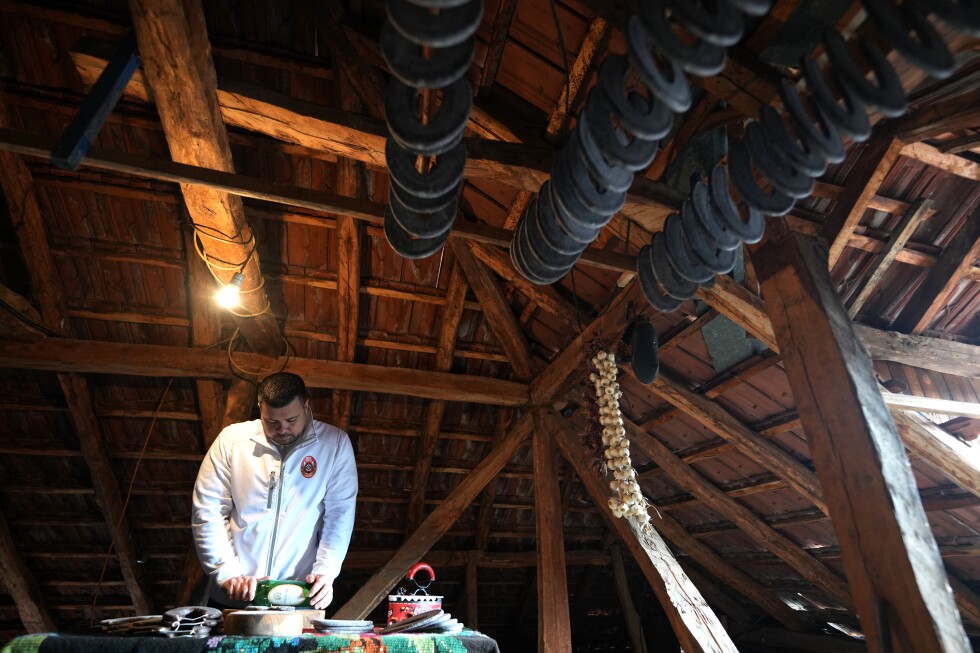
The sausage’s history is deeply embedded in the region’s past, with production techniques dating back at least a century, possibly even to the Ottoman era which ended in the Balkans in 1913. Traditional methods involved using meat from older animals, with sausages dried by hanging them from broomsticks in sheds or attics.
Today’s production maintains strict adherence to tradition while meeting modern food safety standards. The area now boasts between 35 and 40 certified producers who follow specific regulations to earn the official designation.
What makes this delicacy special is its meticulous preparation process. Producers use locally sourced beef and goat meat, carefully removing all fat and connecting tissue—what Savic describes as “probably the hardest part of the job.” The mixture is then enhanced with garlic, hot pepper, and spices harvested from the nearby Stara Planina mountain range.
The sausage’s distinctive name comes from its unique processing technique. After initial preparation, each sausage undergoes a daily hand-flattening procedure using glass bottles. This process, which creates the characteristic thin, horseshoe shape, serves multiple purposes.
“It takes about a month to get a dry, dehydrated product that is ready for consumption,” explains Misa Rajic, a producer who learned the craft from his grandfather. “The process helps further mix the meat inside the sausage and it helps with the drying because it extracts the moisture.”
The finished product has a dark color with a grayish casing made from beef intestines, which is removed before serving. Unlike many sausages that serve as main courses, the peglana kobasica is traditionally enjoyed almost like a digestif—after a full meal, including dessert. Locals slice it paper-thin and savor it slowly alongside robust red wine.
The growing popularity of this regional specialty has made Pirot’s annual sausage fair, held each January, a significant event that draws thousands of visitors, including many from neighboring Bulgaria. This tourism boost has brought welcome attention to the small Serbian town near the Bulgarian border.
However, despite increasing demand and recent recognition, producers face challenges that threaten the tradition. Dwindling goat herds in the region limit access to one of the key meat sources. Additionally, climate change has brought warmer, more humid winters to the area, complicating the traditional air-drying process that requires specific temperature and humidity conditions.
These environmental shifts pose a significant challenge for producers committed to maintaining authentic techniques while meeting growing market interest. As climate patterns continue to evolve, producers may need to adapt traditional methods while preserving the sausage’s distinctive character and quality.
For now, the ironed sausage remains a source of cultural pride for Pirot and a fascinating example of how traditional food production techniques can survive and thrive in the modern era, even as they face new challenges from changing environmental conditions and market demands.
Fact Checker
Verify the accuracy of this article using The Disinformation Commission analysis and real-time sources.

17 Comments
The Pirot ironed sausage sounds like a real delicacy with its distinctive shape and flavor profile. I’m glad to see this traditional regional specialty receiving official recognition and protection. Food heritage is so important to preserve.
Fascinating to read about this traditional Serbian sausage with its distinctive horseshoe shape and ironing process. I appreciate the efforts to maintain cultural food heritage while also meeting modern standards. Unique regional specialties like this are such an important part of culinary diversity.
The ironed sausage from Serbia looks like a real delicacy. I appreciate the efforts to preserve traditional production techniques while meeting modern food safety standards. Regional specialties like this are an important part of cultural identity and culinary diversity.
Receiving official certification is a big deal for this product. It will be interesting to see if it helps drive more interest and demand beyond the local Balkans region.
Fascinating to learn about this unique sausage tradition from Serbia. The horseshoe shape and ironing process to dry it are quite distinctive. I’d love to try this specialty and understand more about its history and cultural significance.
Official certification is a big milestone for preserving the quality and authenticity of this regional product. It will be interesting to see if it helps drive more interest and demand beyond the local Balkans area.
Fascinating traditional sausage from Serbia! I love learning about unique regional food specialties like this. The horseshoe shape and intense flavor profile sound intriguing. Curious to know more about the traditional production methods and how they’ve evolved over time.
Yes, the ironing process to dry the sausage is a unique and labor-intensive technique. I wonder what impact the official certification will have on the product’s visibility and demand outside of the local region.
A horseshoe-shaped sausage that’s ‘ironed’ for dryness – that’s certainly a unique and intriguing culinary tradition! I’m curious to learn more about the history and cultural significance of this regional specialty from southeastern Serbia.
Maintaining traditional food production methods in the face of modernization is admirable. The official certification for quality and origin is an impressive achievement for the ironed sausage producers.
The ironed sausage from Pirot, Serbia sounds like a real delicacy with its long history and unique production methods. I’m glad to see this traditional regional specialty receiving official certification and recognition. Preserving artisanal food traditions is so valuable.
The horseshoe shape and intense flavor profile of this sausage are quite intriguing. I wonder if the ironing process contributes to the unique texture and if there are any special spices or curing techniques involved.
It’s great to see traditional artisanal food products like the Pirot ironed sausage receive official recognition and protection. Maintaining cultural heritage through quality food production is so important. I’d be curious to try this sausage and learn more about its history.
The article mentions the sausage’s origins potentially dating back to the Ottoman era – that’s fascinating. I wonder if there are any unique spices or curing methods that contribute to the intense flavor profile.
The Pirot ironed sausage sounds like a true artisanal delicacy with its long history and distinctive production methods. I’m glad to see this traditional regional specialty receiving official recognition and protection. Maintaining cultural food heritage is so important.
A horseshoe-shaped sausage that’s ‘ironed’ for dryness – what an intriguing and unique culinary tradition from Serbia! I’d love to learn more about the history and cultural significance behind this regional specialty. Preserving artisanal food production is so valuable.
The official certification for quality and origin is an impressive achievement. It will be interesting to see if it helps drive more awareness and appreciation for this distinctive Serbian sausage beyond the local Balkans area.