


Listen to the article
Four major airports in the mid-Atlantic region were forced to halt flights for over an hour on Friday evening due to a strong chemical odor affecting air traffic controllers, causing significant travel disruptions across one of the nation’s busiest air corridors.
The Federal Aviation Administration implemented a ground stop at Ronald Reagan Washington National Airport, Washington Dulles International Airport, Baltimore-Washington International Airport, and Richmond International Airport beginning around 6 p.m. Eastern Time. The decision came after controllers at the Potomac Terminal Radar Approach Control (TRACON) facility reported a persistent chemical smell that was impeding their ability to safely manage air traffic.
FAA Secretary Sean Duffy confirmed the situation via social media, noting that while departures began to resume after 7 p.m., the ground stop for arriving flights remained in effect as officials investigated the source of the odor. The Potomac TRACON facility manages the complex airspace over Washington D.C., Baltimore, Richmond, and the Richmond-Charlottesville regions, making it a critical hub for air traffic management in the eastern United States.
“Safety is our top priority, and we’re working to identify the source of the odor while maintaining operations where possible,” an FAA spokesperson said in a statement. However, the agency did not provide specific details about how the smell was affecting the controllers’ ability to perform their duties.
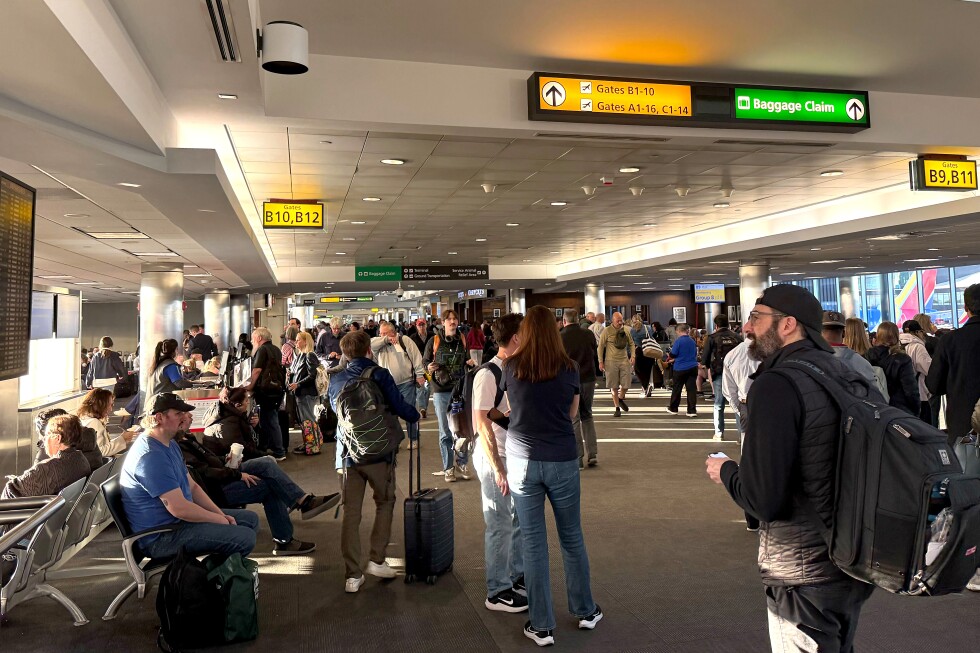
The disruption quickly cascaded throughout the regional air transportation network. Flight tracking data showed that between 25% and one-third of all scheduled departures from the affected airports experienced delays, with some passengers reporting wait times exceeding two hours. The timing of the incident—occurring at the start of a summer weekend—compounded the impact on travelers.
Aviation analysts noted that even brief ground stops at major hubs like these can have ripple effects throughout the national air transportation system. The mid-Atlantic corridor represents one of the most congested airspaces in the country, with the four affected airports collectively handling over 2,000 flights daily during peak summer travel season.
“When you shut down operations at multiple major airports simultaneously, it creates a domino effect,” explained Maria Johnson, an aviation industry consultant. “Aircraft and crews are displaced, connecting passengers miss flights, and the recovery can take hours or even days depending on the severity.”
This incident comes during a particularly challenging period for U.S. air travel. Airlines have been struggling with staff shortages and operational issues as post-pandemic travel demand continues to surge. The FAA itself has faced scrutiny over air traffic controller staffing levels at key facilities around the country.
Local emergency management officials were dispatched to the Potomac TRACON facility to assist with air quality testing and to help identify the source of the chemical odor. The National Air Traffic Controllers Association, the union representing the controllers, declined to comment on the specific situation but emphasized the importance of maintaining safe working conditions for its members.
By late Friday evening, operations were beginning to normalize across the affected airports, though residual delays were expected to continue into the night as airlines worked to reposition aircraft and accommodate stranded passengers.
The FAA promised a full investigation into the incident, including an assessment of emergency protocols and response procedures at the TRACON facility. The agency indicated it would release additional information as it becomes available.
Fact Checker
Verify the accuracy of this article using The Disinformation Commission analysis and real-time sources.

9 Comments
Curious to know what could have caused that strong chemical smell at the airports. Must have been quite disruptive for air travel in the region. Hope they get to the bottom of it quickly and safely.
Whenever there are safety-related issues at airports, it’s good to see the authorities taking a cautious approach. Even if it causes disruptions, ensuring the wellbeing of passengers and staff has to be the top priority.
Interesting that the Potomac TRACON facility was affected, since it’s such a critical hub for air traffic management. Safety should always be the top priority, even if it means temporary flight disruptions.
This kind of incident highlights the importance of robust safety protocols and emergency preparedness at major airports. Glad to hear they were able to resume some flights after an hour, but concerning that the ground stop for arrivals remained in effect.
Absolutely, maintaining safe air traffic control is crucial, even if it means temporarily halting flights. Better to err on the side of caution in these types of situations.
This is the kind of issue that can really throw a wrench in air travel plans, especially at major hubs. Glad the FAA acted quickly to address the situation and protect air traffic controllers and passengers.
The Potomac TRACON facility managing airspace over such a large region makes this incident even more concerning. Hope they get a handle on the situation soon for the sake of all the travelers affected.
I wonder if this could be related to any issues with the airport infrastructure or equipment. Hopefully the investigation can pinpoint the source of the chemical smell and ensure it doesn’t happen again.
Good point. Identifying the root cause will be key to preventing future disruptions. Safety has to be the top priority at busy airports like these.