


Listen to the article
Lyft Settles Service Animal Discrimination Case, Implements Nationwide Changes
Ride-sharing giant Lyft has reached a settlement with the Minnesota Department of Human Rights, agreeing to enforce the rights of blind and disabled passengers to travel with service animals across the United States. The agreement comes after an investigation determined the company was violating Minnesota’s Human Rights Act.
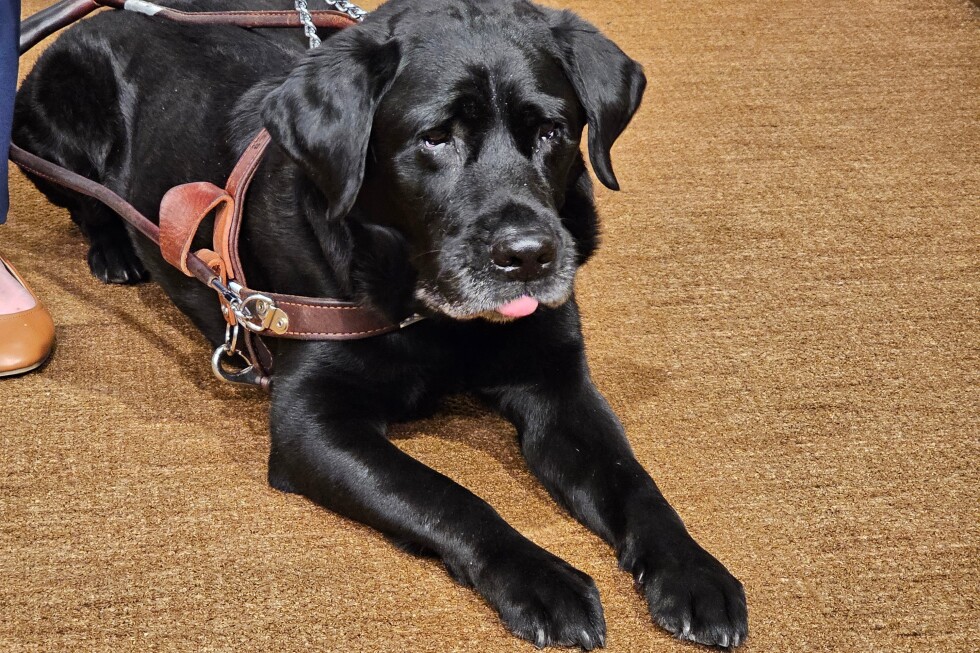
The case began when college student Tori Andres filed a complaint after multiple Lyft drivers refused to allow her guide dog, Alfred, to accompany her during rides. Andres, who depends on her black Labrador for independence, described the significance of her service animal at a news conference in St. Paul.
“This case is a deeply personal thing to me because I travel pretty much everywhere with my guide dog,” Andres said as Alfred rested quietly near her feet. “He is my eyes. He is my freedom, and he is why I am able to live independently.”
Under the settlement terms, Lyft must enhance training for its drivers regarding the rights of passengers with disabilities. The company will warn drivers they risk deactivation and loss of employment if they violate these rights by refusing rides to passengers with service animals, wheelchairs, or visual impairments.
Minnesota Human Rights Commissioner Rebecca Lucero emphasized the far-reaching impact of the agreement. “We expect that all riders in Minnesota and, in fact, across the United States, will benefit from these changes,” she said. The state will monitor Lyft’s compliance for three years, and Andres will receive a $63,000 monetary settlement.
Lyft has downplayed the significance of the agreement, claiming in a statement that the company didn’t agree to any policy changes because “the relief the state sought was already in place.” The company disputed violating the law, arguing that any alleged violations were committed by independent drivers rather than Lyft itself.
“Discrimination has no place in the Lyft community,” the company stated. “Lyft has maintained a strict service animal policy for nearly a decade, and independent drivers who violate that policy face serious consequences, including permanent deactivation.”
Despite Lyft’s position, the settlement has prompted several changes to its ride-sharing app. New features include options for riders to update their accessibility settings to notify drivers they’re traveling with a service animal and to report denials of service. Lyft has agreed to investigate every reported refusal.
Additionally, drivers attempting to cancel or refuse service to passengers who have disclosed their service animals through the app will immediately receive a warning message stating, “It’s against the law to refuse service animals,” along with a reminder that they risk termination.
The settlement was reached without litigation. While Lyft’s primary competitor, Uber, is not party to this specific agreement, Commissioner Lucero noted that all ride-share companies operating in Minnesota are bound by the state’s Human Rights Act.
“We recommend that all businesses use this as an opportunity to look at their policies, training, and accountability systems to make sure that it’s being enforced correctly,” Lucero advised.
Uber, which didn’t immediately respond to requests for details about its service animal policies, states on its website that service animals must be accommodated in compliance with accessibility laws. The company’s policy indicates there are no exceptions for allergies, religious objections, or fear of animals.
This isn’t the first time ride-sharing companies have faced legal challenges regarding service animals. The federal government filed a lawsuit against Uber in San Francisco last September, alleging systematic refusal to serve individuals with disabilities, including those with service dogs. A federal magistrate judge recently denied Uber’s motion to dismiss that case.
The Lyft settlement highlights the essential nature of ride-sharing services for people with disabilities. As Commissioner Lucero emphasized, “Access to ride shares like Lyft is not a convenience. It is, in fact, a civil right.”
The case reflects broader challenges faced by disabled Americans in accessing transportation services and underscores the ongoing tension between gig economy business models and civil rights enforcement.
Fact Checker
Verify the accuracy of this article using The Disinformation Commission analysis and real-time sources.

10 Comments
This is an important settlement that helps protect the rights of disabled passengers who rely on service animals. Ensuring equal access to ride-sharing services is crucial for their independence and mobility.
Absolutely. Drivers should be properly trained to accommodate passengers with service animals, as required by law.
This case highlights the important work still needed to ensure equal access for people with disabilities. Kudos to Tori Andres for standing up for her rights and driving these changes.
Yes, her courage in filing the complaint has led to positive nationwide reforms. Businesses need to do better at accommodating service animals.
This case underscores the vital role service animals play in enabling independence for people with disabilities. Glad to see Lyft taking action to address this issue.
Absolutely. Service animals should always be welcomed and accommodated by ride-share companies and other businesses.
The Lyft settlement is a step in the right direction, but more education and enforcement may be needed to fully protect the rights of passengers with service animals.
That’s a fair point. Ongoing monitoring and accountability will be crucial to ensure Lyft and other ride-share companies uphold their commitments.
I’m glad to see Lyft taking steps to address this issue nationwide. Service animals play a vital role for many people, and they deserve to be treated with respect and dignity.
Agreed. Refusing rides to passengers with service animals is unacceptable discrimination that must be addressed.