


Listen to the article
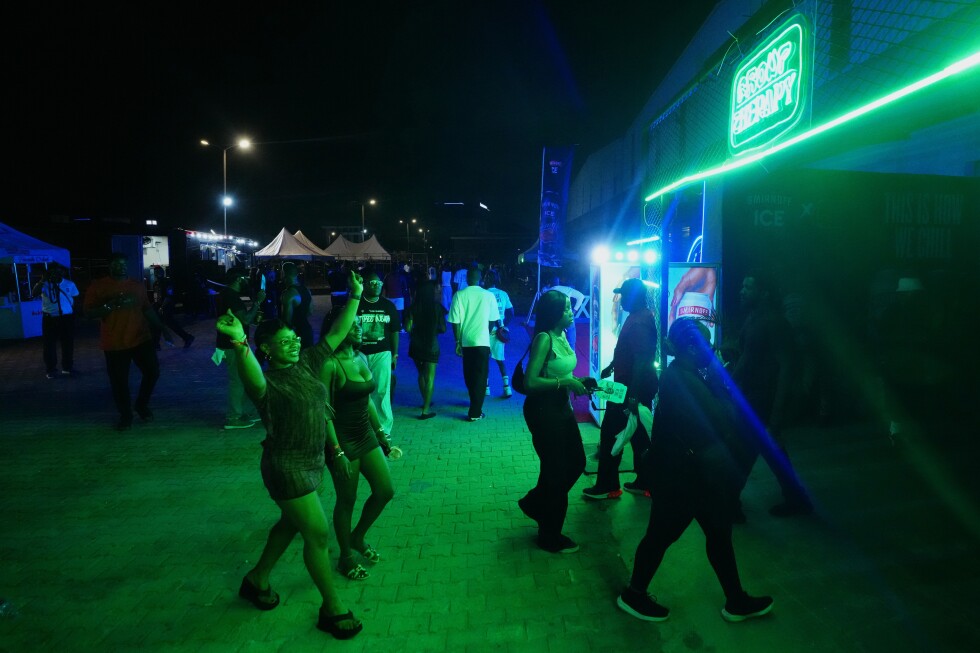
In a darkened auditorium in Lagos’ upscale Lekki district, thousands of young Nigerians gather under pulsating green strobe lights. Despite the name “Group Therapy,” this isn’t a counseling session but one of Lagos’ most popular raves, offering an alternative to the city’s traditional nightlife scene.
The rave represents a growing counter-culture movement challenging Lagos’ entrenched “table culture” – a club experience that has dominated the city’s nightlife for decades. Traditional Lagos clubs prioritize expensive reservations, VIP sections, and competitive spending on premium drinks, creating a hierarchical party environment that many young Nigerians find increasingly inaccessible.
“At raves, the dance floor is present. You go to a usual Lagos party, and there is no dance floor,” explains DJ Aniko, Group Therapy’s founder. “We barely have spaces to just dance, spaces you can just go to literally have a nice time. Most places you have to make a reservation, or book a table, it is a lot more complicated.”
Nigeria’s economic challenges have amplified this divide. With inflation soaring, traditional nightclubs have become prohibitively expensive for many young residents. A bottle service at upscale Lagos clubs can cost between 100,000 naira ($72) to nearly one million naira, complete with LED displays announcing the highest spenders of the night – a public performance of wealth that many find off-putting.
By contrast, Group Therapy charges just 21,000 naira ($15) for entry, with no pressure to purchase drinks. The rave deliberately eschews tables altogether, creating an egalitarian atmosphere where attendees dance shoulder-to-shoulder regardless of economic status.
Yetunde Onikoyi, 28, discovered raves last year and has been “hooked by the neck” ever since. For her and many others, the democratic nature of these events provides a refreshing alternative to Lagos’ status-driven club scene.
Cultural expert Oluwamayowa Idowu, founder of Culture Custodian publication, observes that raves have emerged as a direct response to economic pressures. “What this says is that people don’t have the purchasing power to sustain a club lifestyle,” Idowu notes. “There is more of a focus on you enjoying yourself as opposed to you performing enjoying yourself.”
This shift extends beyond mere economics to a rejection of materialistic values. DJ Aniko has repeatedly declined requests to create separate seating areas at Group Therapy, maintaining the rave’s egalitarian ethos. For attendees like consultant Dayo Williams, this represents a welcome change: “Finding a place that still focuses on the human aspects of things, as against the materialism or need to amass as much as possible, is always a blessing.”
The music itself plays a central role in creating this alternative atmosphere. Since around 2022, Lagos raves have increasingly featured house music – a subgenre of electronic dance music – infused with African sonic elements, reflecting post-pandemic crossovers with South African music genres like amapiano.
At Group Therapy, DJs work from late night until early morning, creating loops of high-tempo beats that charge the atmosphere. The music creates a collective experience that content creator Zia Yusuf describes as transcendent: “You just connect to the music, and you connect to the music with other people who connect to the music with you.”
The choice of house music over commercial Nigerian pop is deliberate. DJ Aniko aims to prevent mainstream artists from controlling the event as they often do in traditional clubs, where they preview unreleased tracks or dictate the audience’s musical experience. “Once you are reliant on the mainstream industry for the music, the mainstream creeps into the space,” Aniko explains.
This musical rebellion mirrors broader social changes. Nigeria’s younger generation has increasingly challenged the country’s conservative social norms, seeking more inclusive spaces for self-expression. While Nigerian artists have gained global prominence in recent years, exporting their music worldwide, the country has simultaneously imported various genres that fuel alternative cultural movements.
As economic pressures mount and young Nigerians seek authentic connections, Group Therapy and similar raves represent more than just parties – they offer a democratic vision of nightlife that prioritizes community over consumption, inclusion over exclusivity, and musical experience over material display.
Fact Checker
Verify the accuracy of this article using The Disinformation Commission analysis and real-time sources.

14 Comments
I appreciate the counter-cultural spirit of these raves, challenging the status quo of nightlife in Lagos. It’s great to see young Nigerians creating their own vibrant spaces and community experiences.
The emphasis on the dance floor and a more casual, inclusive atmosphere sounds refreshing compared to the exclusivity of traditional clubs. This could be an important social and cultural shift.
This sounds like an exciting new direction for Lagos nightlife. I’m curious to learn more about how these raves are creating more accessible and inclusive spaces for young Nigerians to come together and enjoy themselves.
The traditional club culture does seem quite hierarchical and exclusionary. It’s great that these raves are offering an alternative that prioritizes the dance floor and a more open, communal vibe.
These raves seem to be offering a creative alternative to the traditional nightlife scene in Lagos. I’m intrigued by how they are redefining the rules and norms of club culture in the city.
I agree, the focus on the dance floor and a more casual, open atmosphere is a compelling contrast to the exclusivity of traditional Lagos clubs. It will be interesting to see if this rave culture continues to grow and evolve.
The economic challenges facing young Nigerians have clearly created demand for more affordable and accessible nightlife options. These raves appear to be filling an important gap in the market.
I’m curious to understand the business models and operational approaches that allow these raves to keep costs down and remain financially inclusive. It could offer lessons for other cities grappling with similar nightlife challenges.
This article highlights an intriguing cultural shift happening in Lagos nightlife. The emergence of these raves as a counter to traditional club culture is a fascinating development worth following.
I agree, the emphasis on the dance floor and more open, communal vibe seems to be resonating with young Nigerians. It will be interesting to see if this rave culture continues to gain momentum and influence the broader nightlife landscape in Lagos.
The economic challenges in Nigeria have clearly made traditional club culture inaccessible for many young people. These raves seem to be filling an important gap by providing more affordable nightlife options.
I wonder how the organizers of these raves are able to keep costs down and make them more financially inclusive. It would be interesting to understand their business model and operating approach.
It’s fascinating to see how economic and social factors are driving this new rave culture in Lagos. I’m curious to learn more about the specific communities and demographics that these raves are attracting.
The article suggests these raves are tapping into a growing counter-culture movement. I wonder if they are also helping to bridge divides across different socioeconomic groups in Lagos.