


Listen to the article
One year after the devastating Los Angeles fires of January 2025, recovery efforts continue to face significant challenges despite an unprecedented philanthropic response that has raised over $100 million from nearly 50,000 donors worldwide.
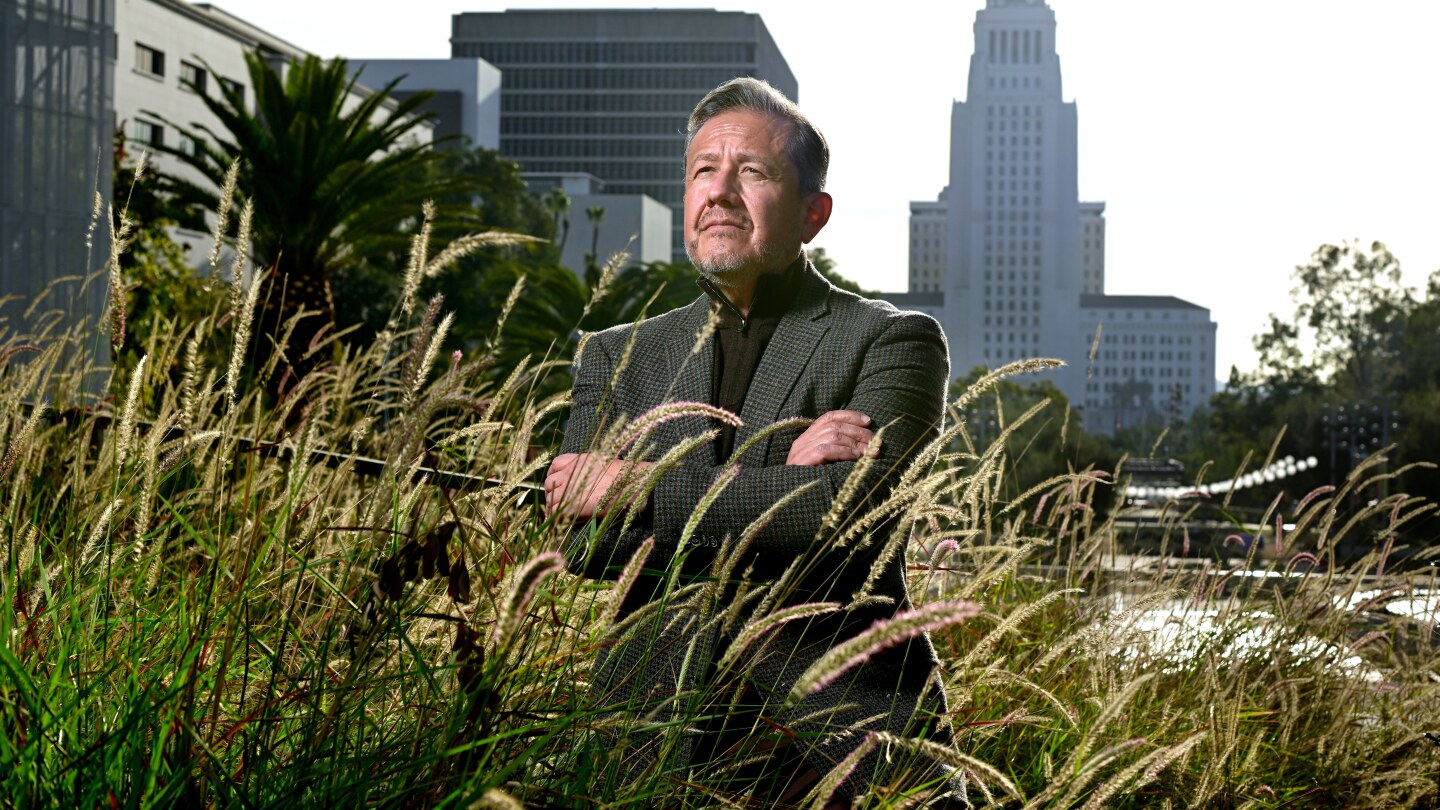
Miguel Santana, CEO of the California Community Foundation (CCF), witnessed the catastrophic fires firsthand as he flew over the Los Angeles basin on January 7, 2025. From his airplane window, he watched flames consume homes and hillsides in the Pacific Palisades, with another fire erupting in Altadena just 30 miles northeast a day later.
“Flying over it really brought light to how serious the whole thing was,” said Santana, who had served as a civil servant for Los Angeles city and county before moving into philanthropy. “From the very beginning I had a feeling this was going to be a really unprecedented disaster.”
CCF immediately mobilized its wildfire recovery fund, directing $30 million in the first month to nonprofits providing immediate aid to survivors. The fund has since grown substantially, creating both opportunities and challenges in allocating resources for what will be a years-long recovery process.
The Palisades and Eaton fires claimed 31 lives and destroyed approximately 17,000 structures, leaving tens of thousands of Angelenos without homes, schools, places of worship, and employment. Recovery has been painfully slow, with an estimated 70% of survivors still displaced and only 10 houses rebuilt across both fire zones. Mental health concerns are mounting as survivors struggle to regain stability in their lives.
In addressing the overwhelming needs that emerged in the immediate aftermath, Santana explained that CCF prioritized supporting “communities and survivors who were most likely going to fall through the cracks,” including senior citizens, children, renters, and those living paycheck to paycheck who lost employment.
“We know that during a disaster, whether it’s COVID or any other, the inequities that existed prior only get amplified,” Santana noted. “So we were concerned that it was going to be an uneven recovery.”
To ensure an equitable approach, Santana reached out to Evan Spiegel, co-founder and CEO of Snap, who grew up in the Palisades. This partnership led to the creation of the Department of Angels, a fire recovery nonprofit that tracks survivor experiences and advocates for their needs. The organization conducts quarterly surveys of over 2,000 survivors to identify obstacles in the recovery process.
Insurance coverage has emerged as the most significant factor determining recovery outcomes for individual survivors. Many families are now facing financial breaking points as their insurance proceeds for living expenses run out, while they continue paying mortgages, property taxes, and insurance on homes that no longer exist.
“Survivors are feeling stuck, and they’re starting to run out of options,” Santana said. “Their ability to access capital is limited to their current financial situation, but the need they have is much greater than that financial situation.”
In response, CCF is developing innovative financial solutions with institutions like Bank of America to help survivors access capital. Rather than providing direct loans, philanthropy would serve as a guarantor so families can access traditional lending. Santana hopes to announce this initiative in the first quarter of 2026.
While philanthropy has raised an impressive $1 billion for recovery efforts, Santana emphasized that this amount falls far short of what’s needed. He stressed that philanthropy’s role is to “fill in gaps, to act quickly, to identify systemic issues,” but not to replace large-scale government support.
California continues to await billions in requested federal aid. Santana believes strongly that Los Angeles fire victims deserve the same federal support provided to disaster survivors in other regions of the country.
“Angelenos should be able to rely on support from the federal government in the same way other survivors get it,” he said. “There should be a common expectation that when there’s a crisis in our backyard, the rest of the country is going to come to our support.”
As recovery enters its second year, Santana highlighted the importance of community support for survivors who are still struggling. He urged people to reach out to those affected, offer practical help, and provide emotional support.
“If you know someone who’s been impacted, this is the time to reach out to them,” Santana said. “As close as we’ve been as Angelenos—and it’s really quite remarkable how the community has come together—people are still feeling alone and like they’re going through this one day at a time.”
Fact Checker
Verify the accuracy of this article using The Disinformation Commission analysis and real-time sources.

8 Comments
This is an interesting example of how a community foundation can play a vital role in disaster recovery. It’s impressive they were able to raise $100 million so quickly from a global donor base. Allocating those funds effectively over the long-term recovery process will be crucial.
I agree, managing such a large influx of donations must have been a significant challenge for the foundation. It will be interesting to see how they adapt their strategies and learnings to apply to future disasters.
The scale of the LA fires was truly devastating. It’s good to see that the community foundation was able to mobilize resources rapidly to provide immediate aid. Funding the long-term recovery efforts will be critical, as rebuilding homes and infrastructure will take years.
Absolutely. With climate change, we’re likely to see more extreme weather events and natural disasters of this magnitude. The ability of local foundations to coordinate relief efforts will be increasingly important going forward.
The LA fires must have been a true test of the community foundation’s capabilities. Raising $100 million is an incredible achievement, but ensuring that money is deployed effectively over the long term will be crucial. I’m curious to hear more about the specific challenges they faced.
Yes, I imagine coordinating with various local organizations and government agencies to determine the best use of funds was no easy task. Maintaining transparency and accountability will also be important to maintain donor trust.
This is a great example of how philanthropy can step in to fill gaps in government disaster response. The community foundation’s ability to rapidly mobilize resources and direct them to where they’re needed most is commendable. I look forward to learning more about their long-term recovery strategies.
This highlights the important role that philanthropy can play in disaster recovery, especially when government resources are stretched thin. It will be insightful to learn more about the foundation’s strategies for allocating these funds to maximize their impact.