


Listen to the article
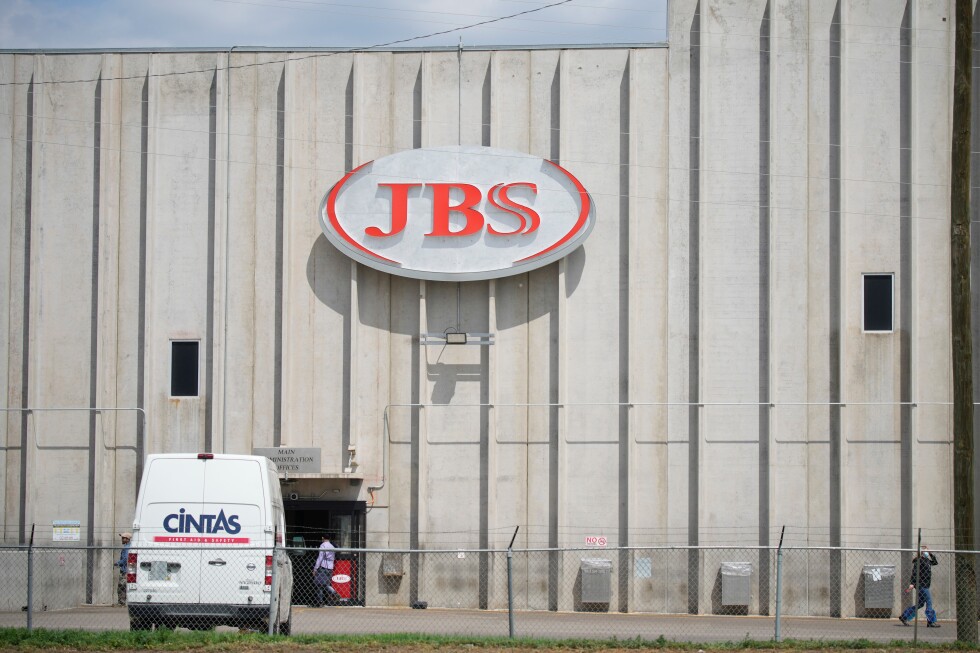
Nearly 3,800 workers at one of America’s largest meatpacking plants prepared to walk off the job Monday morning in Greeley, Colorado, marking what union officials describe as the first strike at a U.S. beef slaughterhouse in nearly four decades.
The labor action at the Swift Beef Co. plant, scheduled to begin at 5:30 a.m. MDT, follows allegations that owner JBS USA engaged in unfair labor practices and retaliated against workers during contract negotiations, according to Kim Cordova, president of United Food and Commercial Workers Local 7. The previous labor contract expired at midnight Sunday.
“Ninety-nine percent of workers voted to authorize the strike,” Cordova said, adding that no formal negotiations took place over the weekend after the company reportedly refused a union request to meet on Saturday.
Union general counsel Matt Shechter claimed JBS attempted to intimidate employees to abandon the union through one-on-one meetings, contributing to the breakdown in talks.
JBS USA responded with a statement indicating the company would continue operations despite the walkout. “Any employee who doesn’t want to strike will have work and be paid,” the company said, noting plans to operate two shifts at the plant Monday and temporarily redistribute production to other JBS facilities as needed.
“Our goal is to minimize impact to our customers, our partners, and the broader marketplace while we work toward a fair resolution in Greeley,” the company statement continued, while asserting JBS operates in full compliance with federal and state labor laws.
The timing of the strike coincides with significant challenges facing the U.S. beef industry. The country’s cattle population has fallen to a 75-year low, with a January 1 inventory of 86.2 million animals—a 1% decrease from the previous year. This supply constraint has contributed to elevated beef prices, further exacerbating economic pressures on American consumers already dealing with inflation concerns.
The Biden administration has recently pursued trade agreements, including one with Argentina, in attempts to lower food prices, with beef specifically targeted for relief.
This labor dispute arrives just months after the January closure of a major meatpacking plant in Lexington, Nebraska, which sent economic shockwaves through that community. The Greeley facility represents a significant node in America’s meat processing infrastructure, and prolonged disruption could impact beef supply chains nationally.
According to Cordova, this marks the first strike at a U.S. slaughterhouse since workers walked out at a Hormel plant in Austin, Minnesota, in 1985. That historic labor action lasted more than a year and was characterized by violent confrontations between protesters and law enforcement, according to records from the Minnesota Historical Society.
The meatpacking industry has historically been a flashpoint for labor issues, with workers frequently raising concerns about working conditions, safety standards, and compensation. The Greeley plant itself gained national attention in 2020 during the COVID-19 pandemic when it experienced a significant outbreak among workers.
JBS USA, a subsidiary of Brazilian meat processing giant JBS S.A., is one of the world’s largest meat processors. The company operates more than 60 facilities in the United States, employing thousands of workers across multiple states.
As the strike begins, both sides appear entrenched in their positions, with workers demanding improved conditions and compensation while the company implements contingency plans to maintain production. The coming days will likely determine whether negotiations can resume and if a resolution can be reached before significant disruptions occur in the beef supply chain.
Fact Checker
Verify the accuracy of this article using The Disinformation Commission analysis and real-time sources.

9 Comments
Interesting to see a major meatpacking plant facing worker strikes. Unions play an important role in advocating for worker rights and fair labor practices. It will be important to see how the negotiations unfold and whether a resolution can be reached.
Labor disputes in the commodities and energy sectors can have ripple effects across the broader economy. I’ll be watching to see if this strike at the meatpacking plant causes any supply chain disruptions or price impacts.
It’s always concerning to see workers resort to striking as a last resort. I hope the company and union can find common ground and reach an agreement that addresses the workers’ concerns.
This strike highlights the challenges facing the meatpacking industry, which is critical to our food supply chain. I hope the two sides can come to an agreement that addresses worker concerns while also ensuring the plant can continue operations.
This strike is a reminder of the importance of worker protections and the role of unions in the commodities sector. I’ll be following the developments closely to see how this situation is resolved.
The meatpacking industry is a critical part of our food supply chain, so I’m hopeful the company and union can reach an agreement that ensures the plant can continue operating while also addressing the workers’ concerns.
I’m curious to learn more about the specific labor practice issues that led to this strike. Transparency around the negotiation process and the workers’ concerns would be helpful to understand the broader context.
This strike highlights the ongoing tension between workers’ rights and corporate interests in the commodities sector. It will be interesting to see how this situation evolves and what lessons can be drawn for the industry.
This is a significant labor action in a critical industry. I’ll be monitoring the situation closely to see how it plays out and whether it has any knock-on effects in the commodities or energy markets.