


Listen to the article
California’s Mental Health Bond Projects Face Significant Delays Despite Newsom’s Claims of Success
None of the mental health treatment facilities promised for 2025 under Governor Gavin Newsom’s $6.4 billion Proposition 1 have opened, according to a CalMatters investigation, contradicting the governor’s claims that the program is exceeding its goals.
The ballot measure, narrowly approved by California voters in 2024, was designed to create thousands of mental health treatment beds across the state. However, the initial round of projects has encountered substantial delays, with some completion dates pushed back by as much as two years, while others have been canceled entirely.
Last spring, the state awarded nearly half of the bond money in what Newsom described as “the fastest distribution of bond funds in California history.” Officials initially projected that 10 of the first 124 funded projects would be completed by the end of 2024.
None met that deadline. CalMatters confirmed that nine of those initial projects have been delayed, with revised completion dates ranging from summer 2025 to summer 2028. One project was canceled outright.
These setbacks could have far-reaching consequences for California’s broader mental health initiatives. Proposition 1 serves as a cornerstone of Newsom’s strategy to address homelessness and mental illness, providing crucial infrastructure for programs like CARE Court, which uses judicial authority to connect people with treatment services.
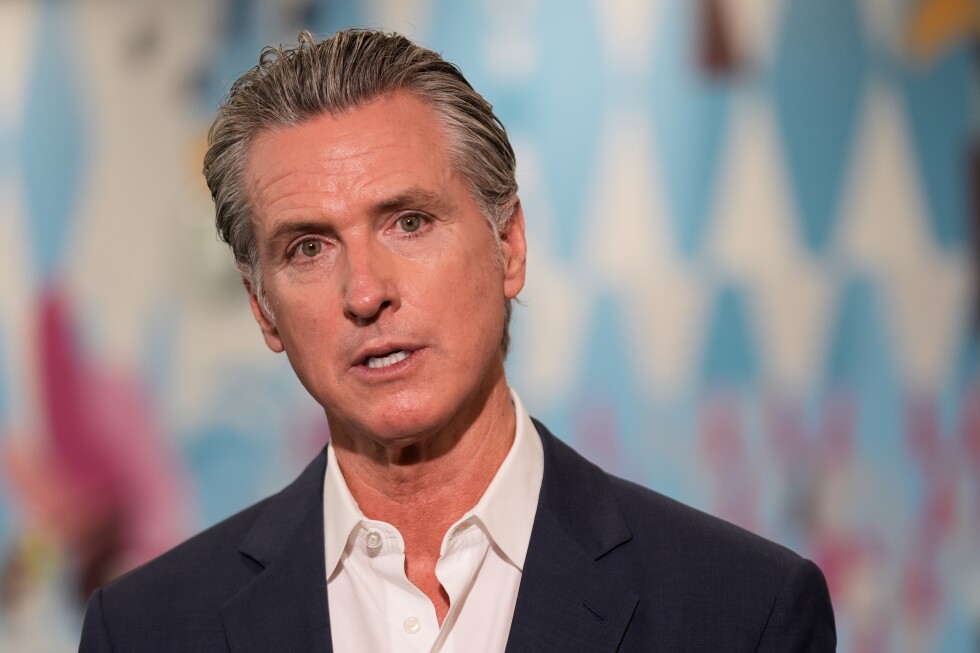
“Some of that has been impacted by, candidly, tariffs, supply chain issues,” Newsom acknowledged during a news conference Wednesday. “So there’s been some slippage in some of the projects. We’re deeply mindful and aware of that, but we’re just managing that on a daily basis.”
Despite the delays, the Newsom administration recently awarded the remaining $1.18 billion from the bond. In total, Prop 1 has funded 177 projects intended to create 6,919 residential treatment beds and 27,561 outpatient treatment slots—slightly exceeding the original targets.
“This is a point that needs to be emphasized: Exceeding the goal in record time,” Newsom stated, focusing on the funding allocation rather than actual facility openings.
Assemblymember Jacqui Irwin, who carried the bond proposal in the Legislature, praised the quick distribution of funds but emphasized the urgent need for these facilities to open. “While Prop. 1 allows these projects to go from concept to blueprints, they are not immune from supply chain challenges or competition for skilled labor that hinders construction of every type in our state,” said Irwin, a Democrat from Thousand Oaks.
The delays affect projects throughout California. In Hollister, a building intended for purchase with Prop 1 funds was unexpectedly sold to another buyer, forcing grantees to find an alternative property. In Los Angeles, one project faces a two-year delay after discovering the need for seismic retrofitting.
California’s Department of Health Care Services defended the timeline shifts as “expected and common” for large-scale construction projects. The department maintains regular communication with grantees and offers assistance with construction issues rather than penalizing them for delays.
In Placer County, nonprofit Koinonia Family Services declined nearly $2 million in funding and canceled its planned eight-bed residential facility for foster youth, citing concerns about long-term sustainability due to “changes in state and federal policy.”
Not all news is discouraging. In San Rafael, the Ritter Center secured $10.5 million to create 1,370 treatment slots. Though delayed by about six months, the project will transform a newly purchased building into an expanded healthcare facility, doubling the number of exam rooms and improving services for homeless and precariously housed clients.
“When people go to a low-income clinic or a place to get social services and it’s run down, it’s not reflective of the broader community,” said Cynthia Le Monds, chief development officer for the Ritter Center. “By having this dignified facility, we’re really making sure that we’re giving our patients and clients the very best services that they can receive.”
Beyond treatment facilities, Prop 1 is funding permanent housing for people with mental illness and substance use disorders through the governor’s Homekey+ program. So far, the state has awarded $768 million to create 2,260 homes, including 545 for veterans, with the first projects expected to be completed this summer.
The measure also redirects existing mental health funding, requiring counties to allocate a portion of revenue from the “millionaire’s tax” toward housing instead of other services. This shift has forced counties to cut programs like suicide prevention, mental health hotlines, and anti-stigma campaigns. San Diego County has already identified 29 programs to close.
“There will be challenging times ahead,” said Michelle Cabrera, executive director of the County Behavioral Health Directors Association. “Certainly some programs will need to be cut back or cut entirely.”
The funding shifts have been complicated by recent federal cuts to Medicaid, which counties had hoped would fill the gaps created by these program reallocations.
Fact Checker
Verify the accuracy of this article using The Disinformation Commission analysis and real-time sources.

13 Comments
Missed deadlines on mental health infrastructure are concerning. Transparency around the reasons for delays and revised timelines would help stakeholders understand what’s causing the setbacks.
It’s concerning to see these mental health infrastructure projects facing delays. Ensuring adequate funding, planning, and oversight is crucial to delivering these critical facilities on time and on budget.
You make a good point. Proper project management will be key to getting these projects completed as promised. Oversight and accountability are important.
It’s unfortunate to see these mental health project delays, as access to care is so critical. I hope the state can address the bottlenecks and get these facilities open as soon as responsibly possible.
Mental health facilities are vital community assets. While delays are frustrating, it’s important the state gets these projects right rather than rushing them. Careful planning and execution are needed.
You’re right, quality should take priority over speed. Rushing could lead to further complications down the line. Patience and diligence will be key.
While delays on mental health projects are disappointing, it’s better to get these facilities right than to rush them. Transparent communication from the state on the challenges faced and revised timelines would be appreciated.
While disappointing, delays on critical mental health infrastructure are not entirely surprising. Complex construction projects often face unforeseen challenges. The key is ensuring the end result meets community needs.
Exactly, quality should take priority over speed. Getting these facilities right is more important than hitting arbitrary deadlines.
Delays in mental health infrastructure projects are concerning, especially when promised timelines are not met. Proper planning, funding, and oversight are critical to ensure these important facilities can be delivered as expected.
Indeed, it’s disappointing to see these delays, as mental health support is so crucial. Hopefully the state can get these projects back on track soon.
Mental health treatment access is so important. I hope the state can identify the root causes of these delays and address them swiftly to get these facilities open and serving the community.
Missed deadlines on mental health projects are concerning, as these facilities provide vital services. Transparent communication from the state on the reasons for delays and plans to get back on track would be helpful.